The lapel shape for the room
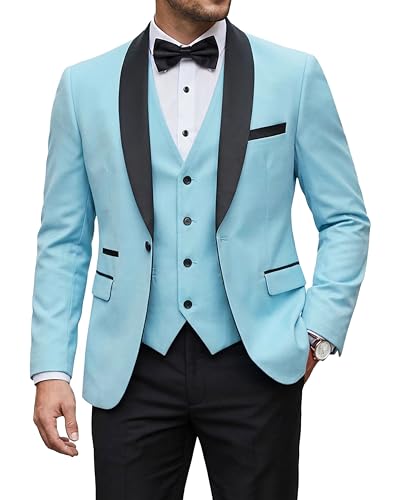
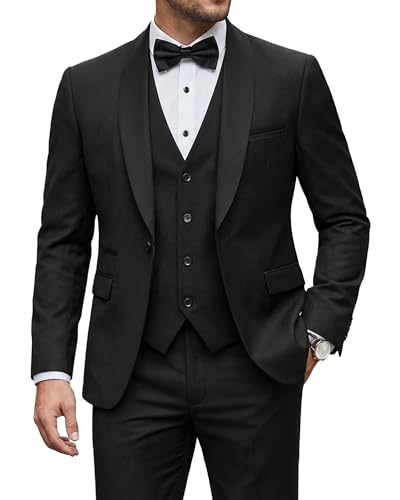
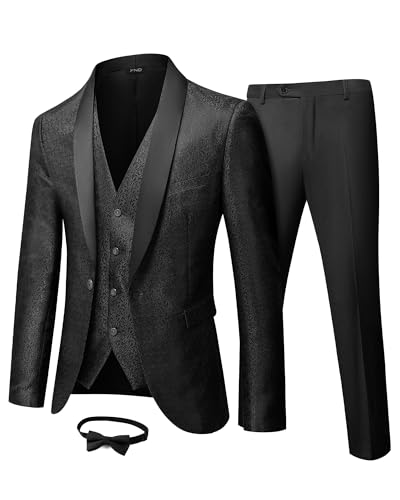
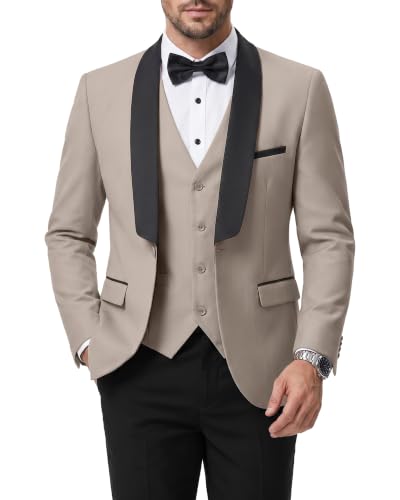
A dinner jacket does work that a dark lounge suit cannot manage alone. The construction targets evening light rather than morning business. We cut all ten of our tuxedos with a shawl collar, which forms a smooth curve around the neck down to the button stance. That sweep leaves the chest open for the shirt front. A regular suit jacket uses a notch or peak lapel that points toward the shoulders. The shawl collar belongs specifically to black tie. It separates evening wear from day tailoring the moment you walk into the room. Our pieces use a polyester blend that holds its shape cleanly through hours of wear.
What to wear at the neck
Neckwear divides formal sets quickly. A bow tie belongs with black tie, while a long necktie belongs with a daytime suit. Across our tailoring, thirty-four sets include neckwear of either sort. When you unpack the pieces, look at what was packed in the box. Six sets include a bow tie ready for the collar. Twenty-eight sets include a long necktie for standard suit wear. Black tie requires the bow. A long tie pulls the eye downward like an office garment and breaks the line of the dinner jacket. When the event specifies black tie, leave the long tie in the drawer and put the bow around the collar band.
The work of the shirt
The white shirt underneath the dinner jacket carries more structural weight than most wearers expect. A standard white shirt from the workday has soft cuffs and a collar meant for a four-in-hand knot. A black tie shirt needs a firm collar that stands behind the bow tie without collapsing sideways. The placket down the front stays clean under the jacket button, keeping the cloth smooth across the chest. When the jacket moves as you sit or walk, the white panel between the shawl lapels anchors the whole cut. If that shirt front rumples or folds, the line of the shawl collar loses its clean frame.
Handling black tie optional invitations
The phrase black tie optional causes confusion because it gives two paths. The hosts want a tuxedo in the room, but they permit a dark two piece suit or three piece suit for guests who do not own dinner clothes. If you wear a suit, keep the cut simple with a white shirt and dark long tie. But if you have the dinner jacket, put it on. A tuxedo honors the request directly. The dark suit is the substitute, not the standard. Our suits in polyester or linen blend provide options for different seasons, but the shawl collar jacket remains the correct garment for an evening invitation.
Care for the jacket between events
Evening garments spend long stretches in a closet between invitations. When the evening ends, hang the dinner jacket on a wide contoured hanger right away. Thin wire bends the shoulder pad and creases the sleeve head. Let the cloth rest overnight so gravity pulls out sitting wrinkles across the back vent and trousers. If the cloth blend picks up creases along the sleeves, use gentle steam instead of a hot iron plate. Steam relaxes the synthetic fibers without crushing the structure of the collar or flattening the chest piece. Store the jacket inside a breathable garment bag until the next formal card arrives.
Preparing for the evening
Black tie relies on clear construction rules rather than guesswork. Check your lapels, secure the bow tie, and steam the cloth blend before the event. Hang the pieces properly when you return home, and the jacket will stay ready on its hanger for the next formal invitation.